
Selling investment property?The 1031 exchange clock starts at closing.Plan before you sell
MAG industrial real estate

The building is part of the business.

MAG underwrites industrial real estate through the operation inside it — then tests the property, tenant, lease, purchase price, financing, and exit as one decision.

Why the sector matters

Industrial is not one uniform asset class.

Manufacturing, logistics, service, cold-storage, and power-intensive facilities support different businesses and carry different real estate risks.

Demand is influenced by domestic production, regionalized supply chains, e-commerce fulfillment, and data infrastructure. None of those trends makes every industrial property attractive. Property-level underwriting still decides whether the building and lease justify the basis.

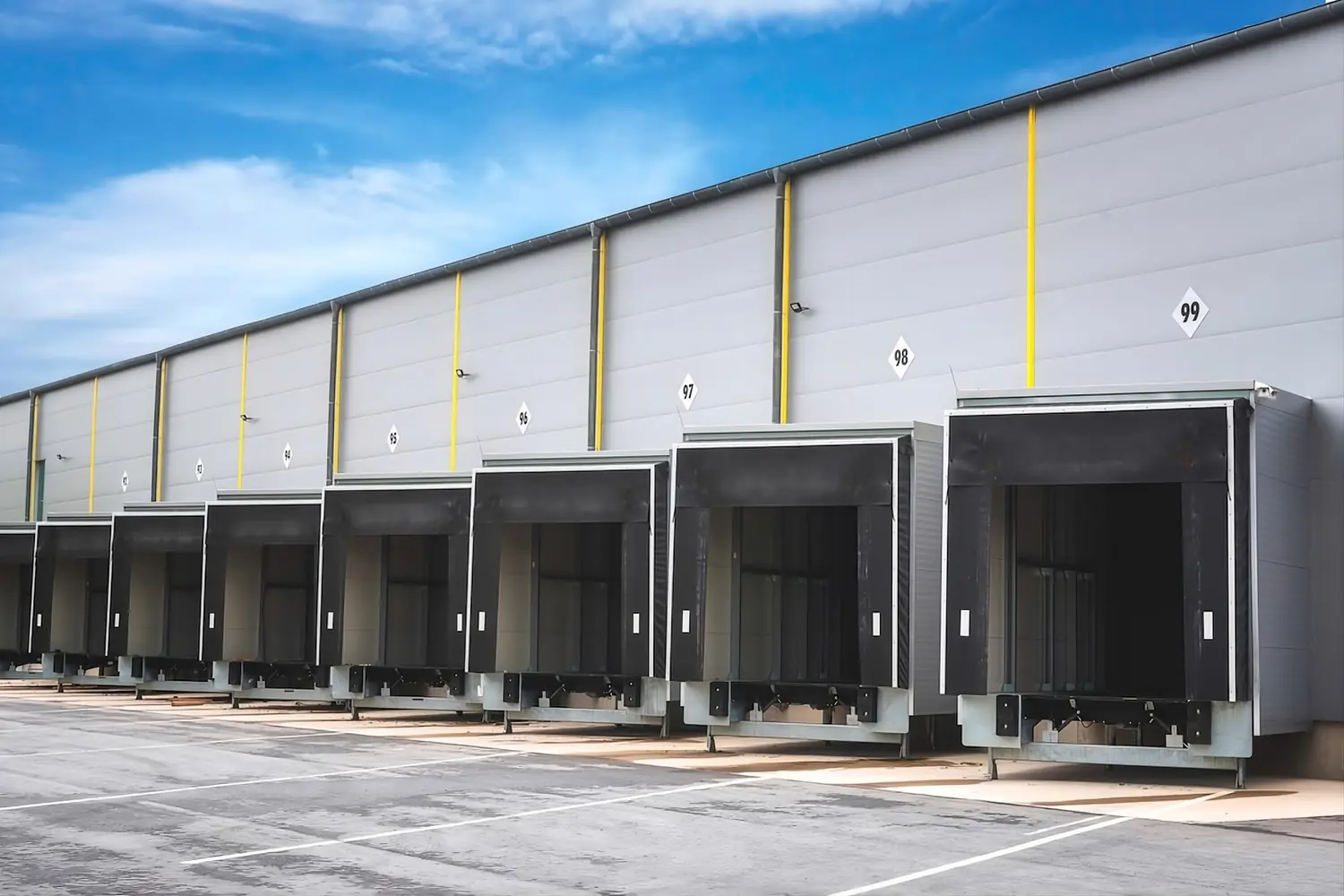
Modern industrial loading docks in active use
Function first: access, loading, utility capacity, and reusability matter.
Four demand drivers

A tailwind is a starting point—not the underwriting conclusion.

Structural demand can support the sector while producing very different outcomes by market, building size, utility capacity, tenant, lease, and purchase price.

01

Domestic manufacturing

Production investment can create demand for facilities that support advanced manufacturing, suppliers, and specialized processes.

Investor lens: Verify labor, utilities, permitting, customer proximity, and whether the improvement package fits another user.
02

Regionalized supply chains

Companies are adding redundancy and placing inventory, suppliers, and production closer to customers and transportation corridors.

Investor lens: Test the actual freight network, border or port exposure, supplier base, and depth of replacement demand.
03

E-commerce & local fulfillment

Faster delivery expectations support distributed fulfillment and last-mile locations, not only national distribution centers.

Investor lens: Building size, loading, clear height, trailer storage, population access, and rent basis still determine competitiveness.
04

Data & power infrastructure

Data-center and infrastructure investment can increase competition for industrial land, grid capacity, water, and technical labor.

Investor lens: Power availability must be documented; a power-intensive thesis can fail when interconnection timing or cost changes.
Current industrial lens · Q2 2026

Demand moved ahead of new supply, but selection still matters.

6.5%U.S. industrial vacancy
85.1M SFQuarterly net absorption
47.9M SFQuarterly completions

CBRE reported that vacancy declined for the first time since Q2 2022, quarterly demand exceeded completions, big-box leasing was robust, and all other size ranges also gained. Market statistics are context, not a substitute for property-level diligence. Source: CBRE, July 29, 2026 ↗

The operating-business view

Four ways a facility can matter.

The lease is only as durable as the tenant and real estate behind it. We start by understanding what the property does for the business today and what it could do for another user tomorrow.

01

Location connects the operation

Customers, suppliers, labor, freight routes, utilities, and power can make one site materially more useful than another.

02

The facility has a job to do

Clear height, loading, floor capacity, power, refrigeration, cranes, yards, and process improvements can be central to production or distribution.

03

Relocation can be disruptive

Moving an operating facility may require downtime, permits, equipment work, customer approvals, and a difficult labor transition.

04

Reusability protects the exit

Operational importance to today’s tenant is only half the question. We also test what the property could be worth and how it could function for the next user.

Sale-leaseback, plainly explained

The company sells the real estate and keeps using it under a lease.

The transaction separates property ownership from business operations. It can be useful to both parties, but it does not remove operating or real estate risk.

For the company

Real estate capital can return to the business.

The seller can continue operating from a familiar facility while using sale proceeds for growth, acquisitions, debt reduction, liquidity, or other corporate priorities.

For the owner

Contractual rent comes with underwriting responsibility.

The owner receives rent but retains exposure to tenant credit, lease language, building condition, residual value, financing, and the cost of a future rollover.

The MAG underwriting lens

Six dimensions. One investment decision.

A strong tenant cannot repair a poor basis forever. A good building cannot make a weak lease collect. Each dimension has to work with the others.

01

Property function

Configuration, condition, environmental profile, maintenance history, capital needs, and utility capacity.

02

Location & infrastructure

Labor depth, freight access, customers, suppliers, power, water, zoning, and competing supply.

03

Tenant credit

Business model, industry position, customer concentration, leverage, cash generation, and rent coverage.

04

Lease durability

Term, escalations, guarantees, expense obligations, options, defaults, and landlord responsibilities.

05

Basis & financing

Purchase price, market rent, leverage, maturity, reserves, debt service, and downside protection.

06

Rollover & exit

Replacement rent, downtime, tenant improvements, leasing commissions, alternative users, and buyer liquidity.

Balanced underwriting

What we may like — and what can break the thesis.

Institutional underwriting makes the counterargument visible. Each potential strength has a corresponding risk that must be priced, documented, and monitored.

Potential strengthCounter-risk
Operationally important facility

A specialized building can be expensive to adapt if the tenant leaves.

Long contractual lease

Lease term does not prevent tenant deterioration, default, or bankruptcy.

Contractual rent increases

Rent can finish above market and create renewal or rollover pressure.

Net-lease structure

Roof, structure, environmental, casualty, and capital obligations still depend on the documents.

Multiple demand drivers

Demand differs by market, building size, power, labor, and physical quality.

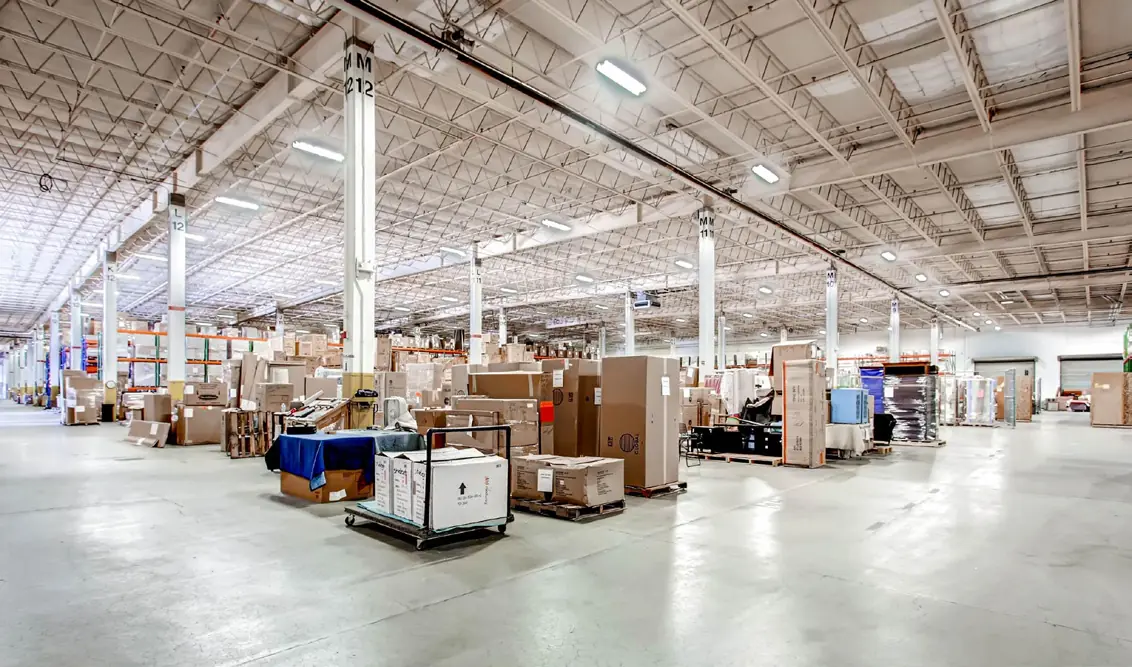
Active industrial production and warehouse spaceIllustrative underwriting example
How the lens changes the question

A long lease can look strong and still need a harder look.

Suppose a manufacturer signs a long-term net lease at closing. The term is useful — but it is not the conclusion.

  1. Test the business.Can cash flow support rent through a realistic downside?
  2. Test the facility.Is it critical to the operation, maintained, and adaptable?
  3. Test the basis.Does the price leave room for downtime, capital work, and re-leasing?
  4. Test the exit.Who could use or buy the property if the original thesis changes?

This is a hypothetical educational example, not a current offering or investment recommendation.

The MAG platform

Real estate and credit expertise in the same room.

MAG Capital Partners is a private investment firm specializing in American net-leased industrial real estate.

Its vertically integrated process connects sourcing, property diligence, corporate credit, construction and capital-project oversight, financing, asset management, reporting, and exit planning.

Before selecting replacement property

Put the real estate and the exchange plan under the same lens.

Share the property you expect to sell, remaining debt, timing, and replacement-property goals. We will help organize the questions for your qualified intermediary, tax adviser, and investment team.